Timeless Observance: Reimagining the Zen Garden in the Works of M.H Nikbakht
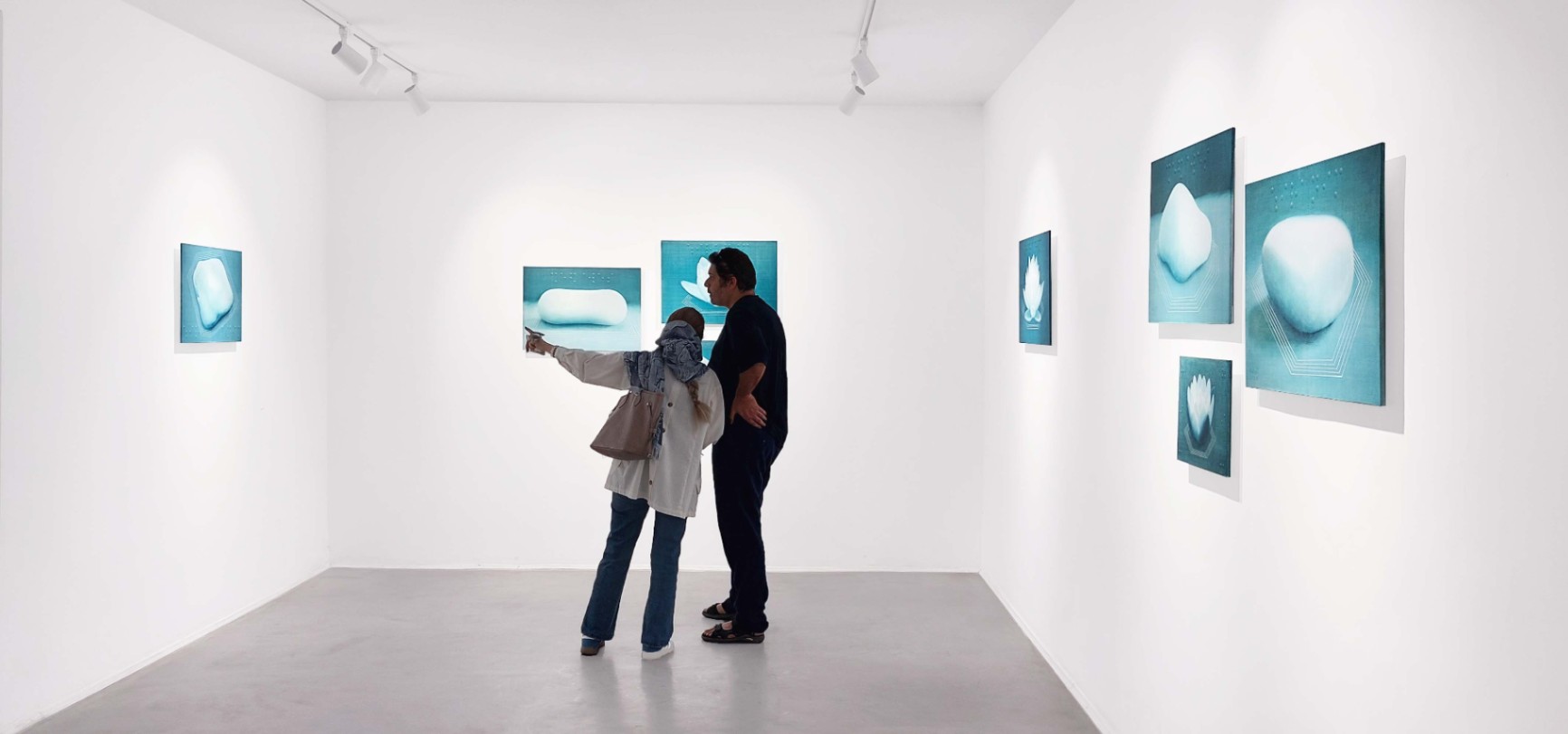
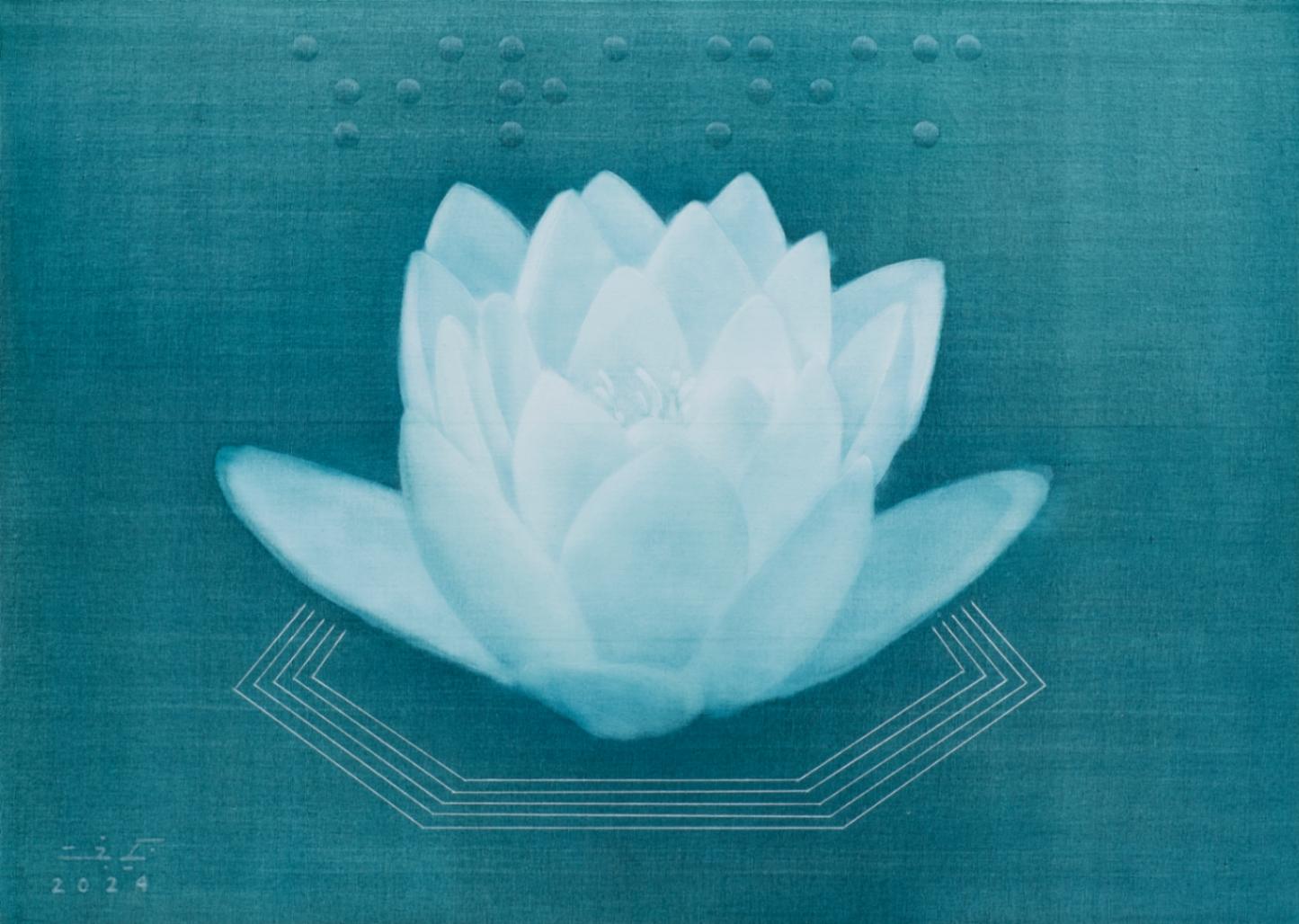
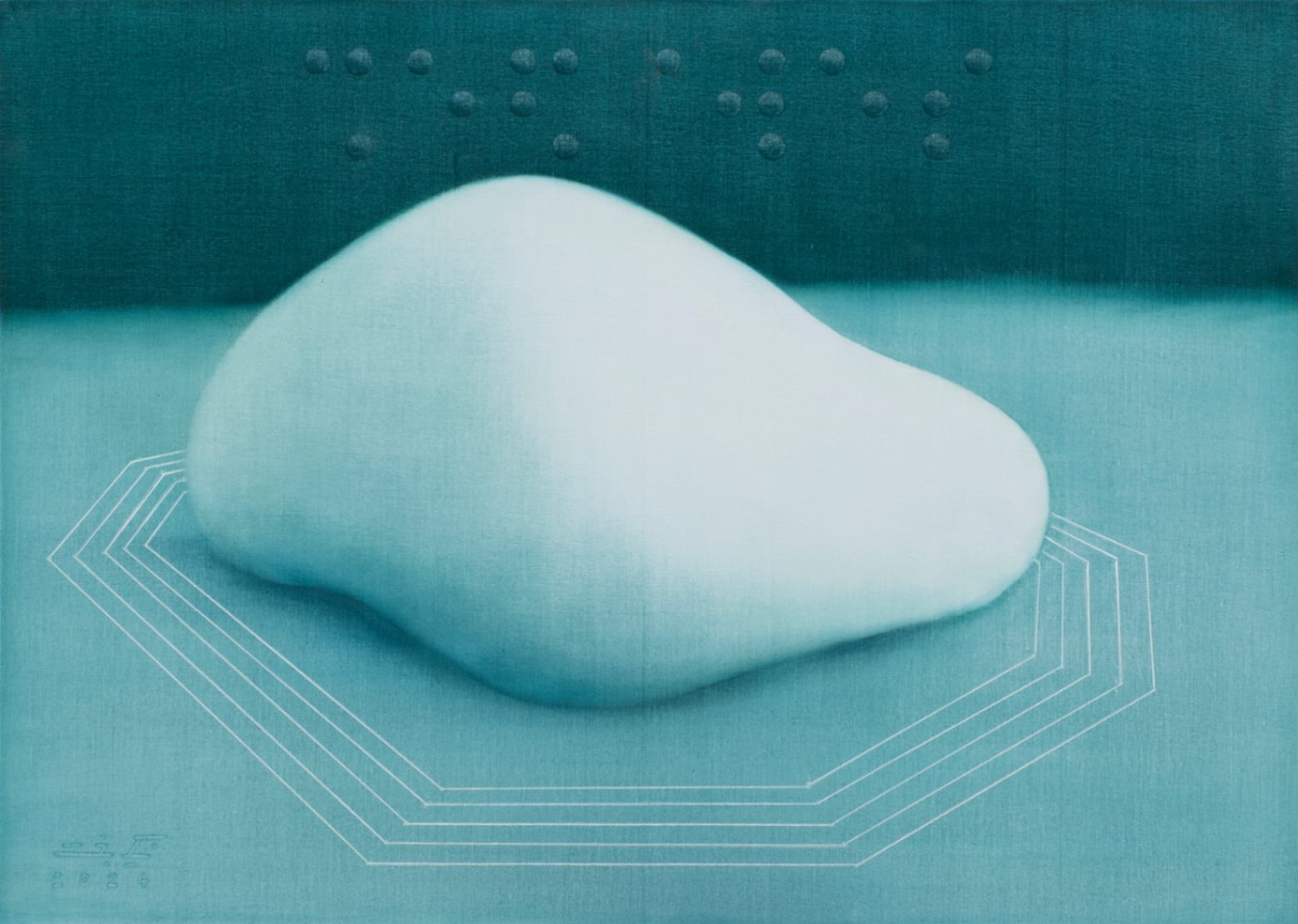
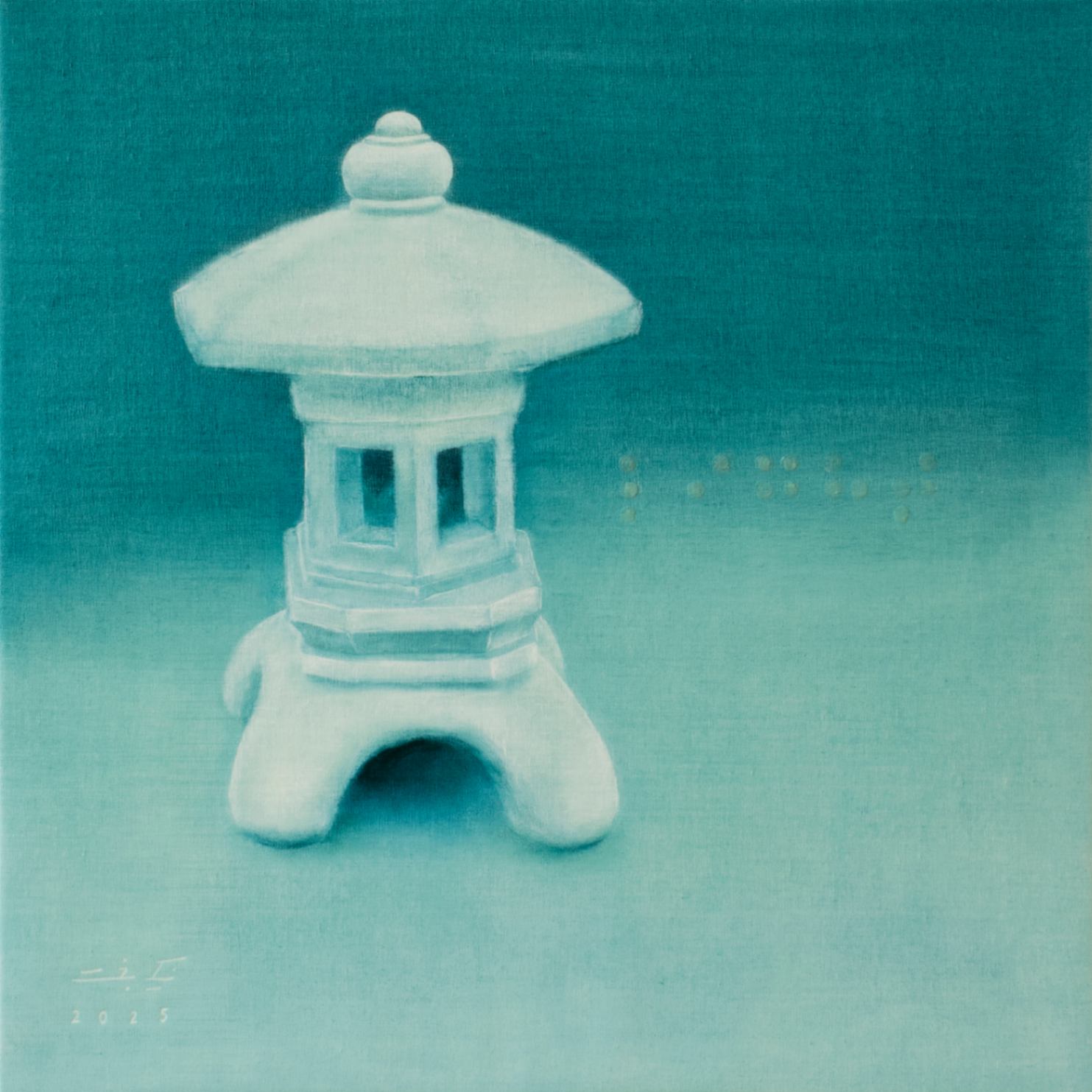
M. H NIKBAKHTM. H NIKBAKHTZen gardens took shape in centuries of silence; minimalist courtyards that, with a few stones, some sand, and at times flowers, unveil a boundless world. In these gardens, every stone has its designated place; moving even one is like altering a single note in a musical composition—it disrupts the balance of the whole. The flower, however, is a fleeting presence, a symbol of rebirth and redemption. This contrast between the permanence of stone and the transience of the flower reflects the essence of Zen: witnessing timelessness within the flow of time. In the paintings of Mohammad Hasan Nikbakht, this ancient tradition is reimagined. Through color and shadow, he constructs a minimalist garden and invites the viewer into a poetic contemplation. His works feature an image of Braille—yet it is neither raised nor tactile, and thus not intended for the blind. Perhaps it is here that meaning emerges: it reminds us how many things we see without truly seeing. The act of seeing implies understanding and full comprehension, much like the closing lines of *Blindness*: “We are blind. Blind people who see. Blind people who see, but do not see.”
Exhibitions

Fairs
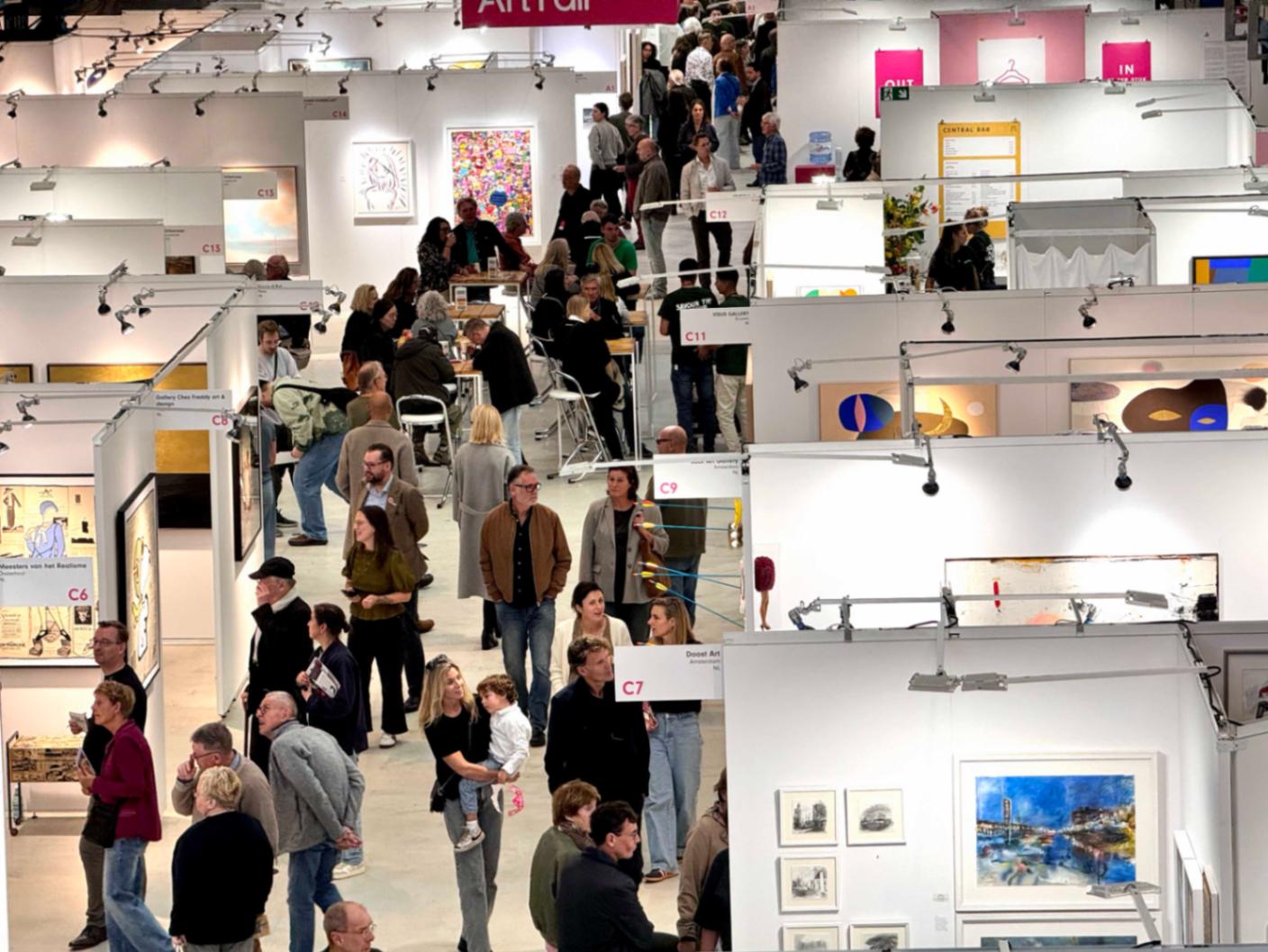
De Kromhouthal, Gedempt Hamerkanaal 231, 1021 KP, Amsterdam, Netherlands
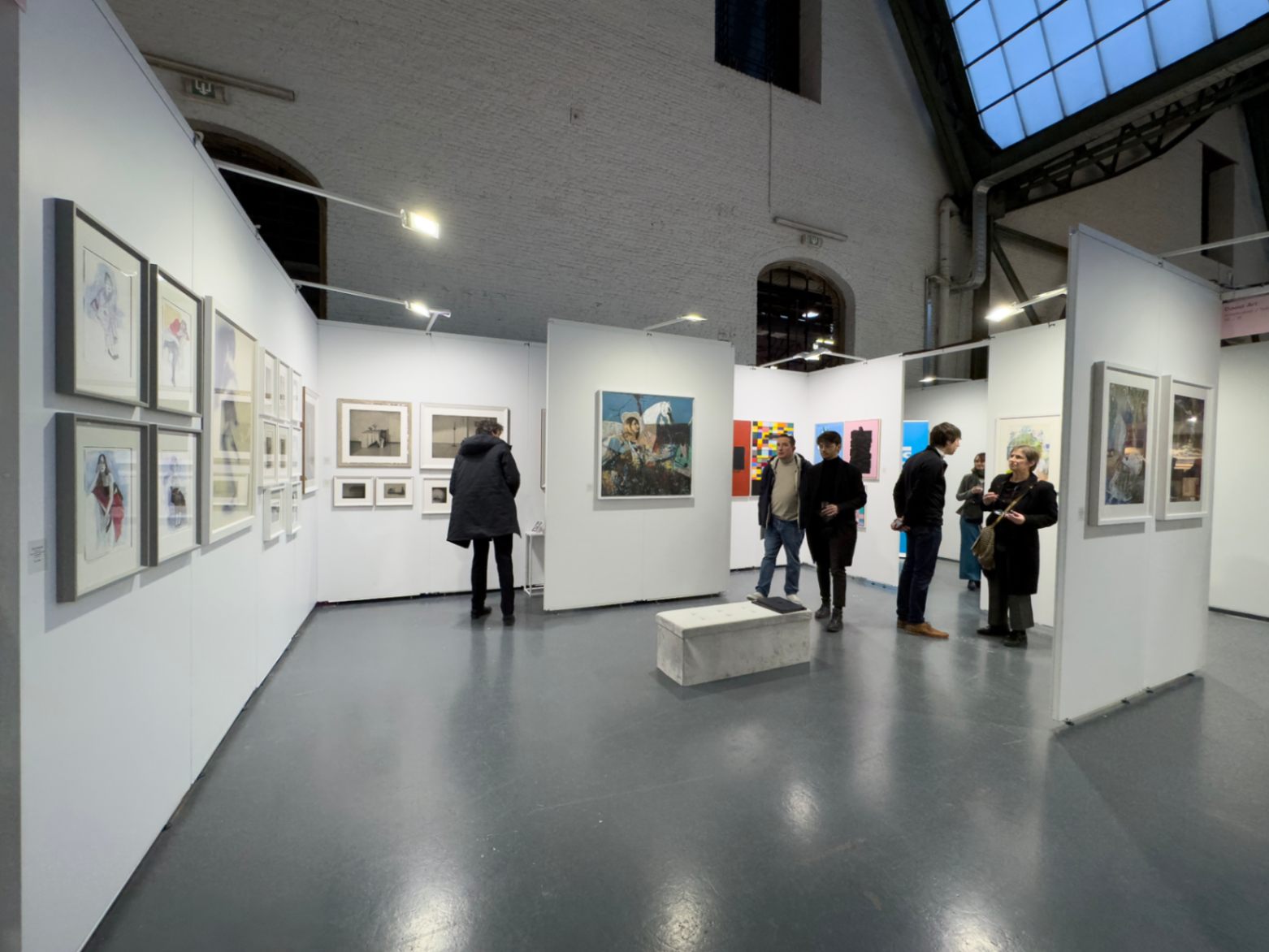
Tour & Taxis, Rue Picard 3, Brussels, Belgium
De Kromhouthal, Gedempt Hamerkanaal 231, 1021 KP, Amsterdam, Netherlands
Tour & Taxis, Rue Picard 3, Brussels, Belgium
De Kromhouthal, Gedempt Hamerkanaal 231, 1021 KP, Amsterdam, Netherlands
Tour & Taxis, Rue Picard 3, Brussels, Belgium
De Kromhouthal, Gedempt Hamerkanaal 231, 1021 KP, Amsterdam, Netherlands
Tour & Taxis, Rue Picard 3, Brussels, Belgium
Doost art · All rights reserved 2025